Home Service Program
What's next for independent living?

The Home Service Program helps people with disabilities live independently — but the system supporting that independence was straining under outdated processes and strained relationships. We brought the state, the union, customers, and providers to the same table to redesign the experience together.
Research Planning
Two goals shaped the research:
- Understand the process of getting and providing HSP services, to identify pain points and opportunities.
- Understand the relationships and interactions between stakeholders, providers, and customers, to find the challenges inside those experiences.
Our team completed 24 interviews to build context around the program and the individuals involved. By interviewing members of the state, the union, people with disabilities, and their providers, we saw the system from multiple viewpoints — learning about the Living Independently Philosophy, the program's struggles to support customers and providers, and the union's work to give people a voice.


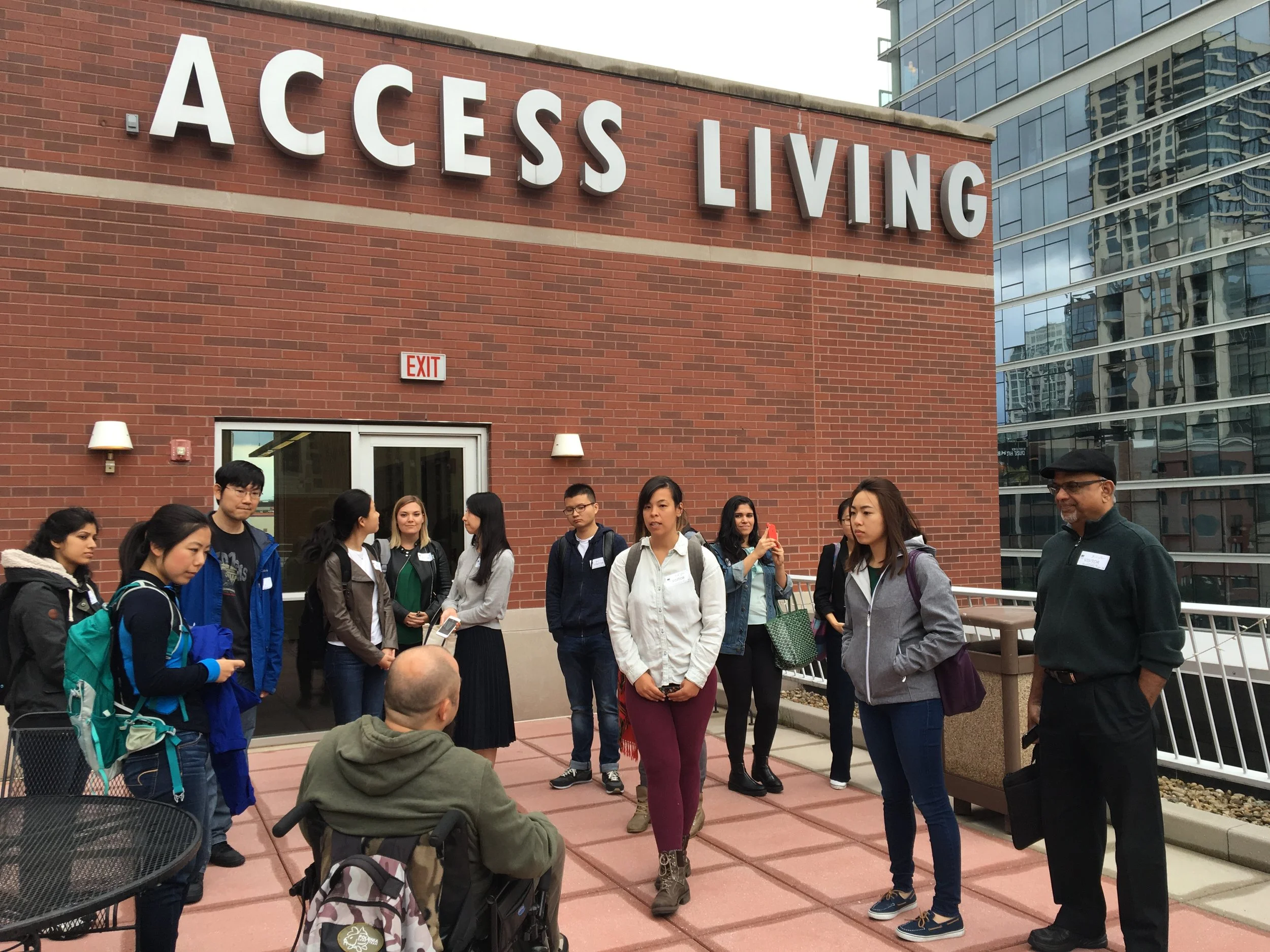
Research & Mapping
With a deep understanding of the system and the people in it, we mapped the intricacies of every touchpoint in the program. The data revealed outdated processes, the relationships between entities, and strong perspectives grounded in the memories people shared.
Read the findings (PDF) →
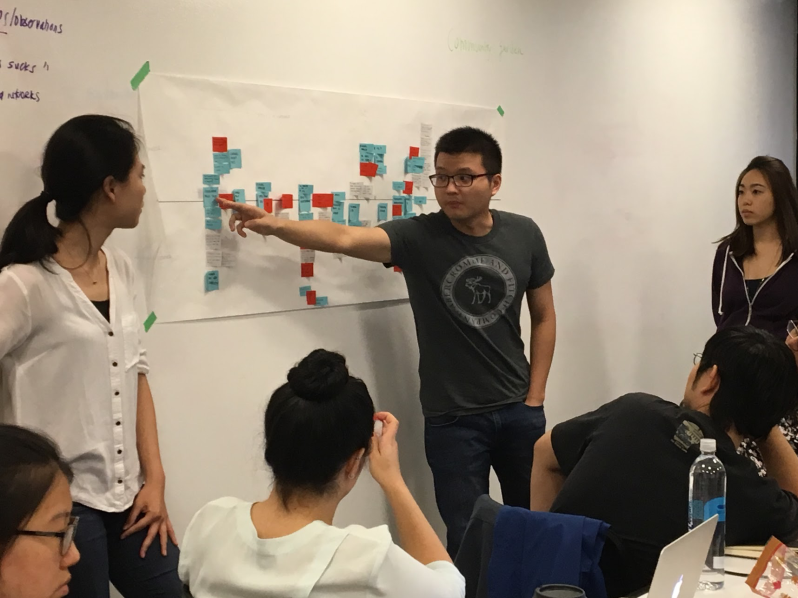

Insights & Co-Creation
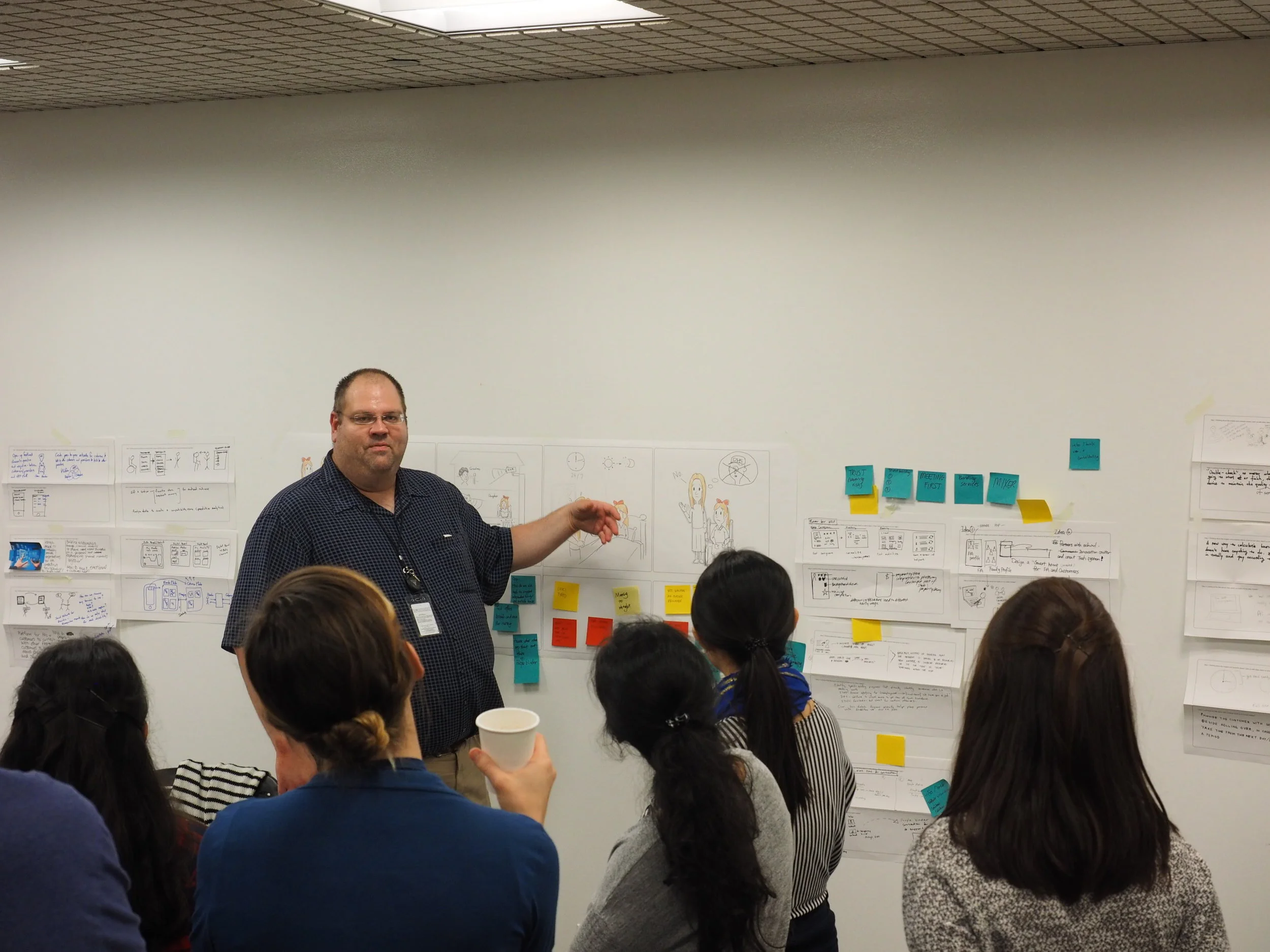
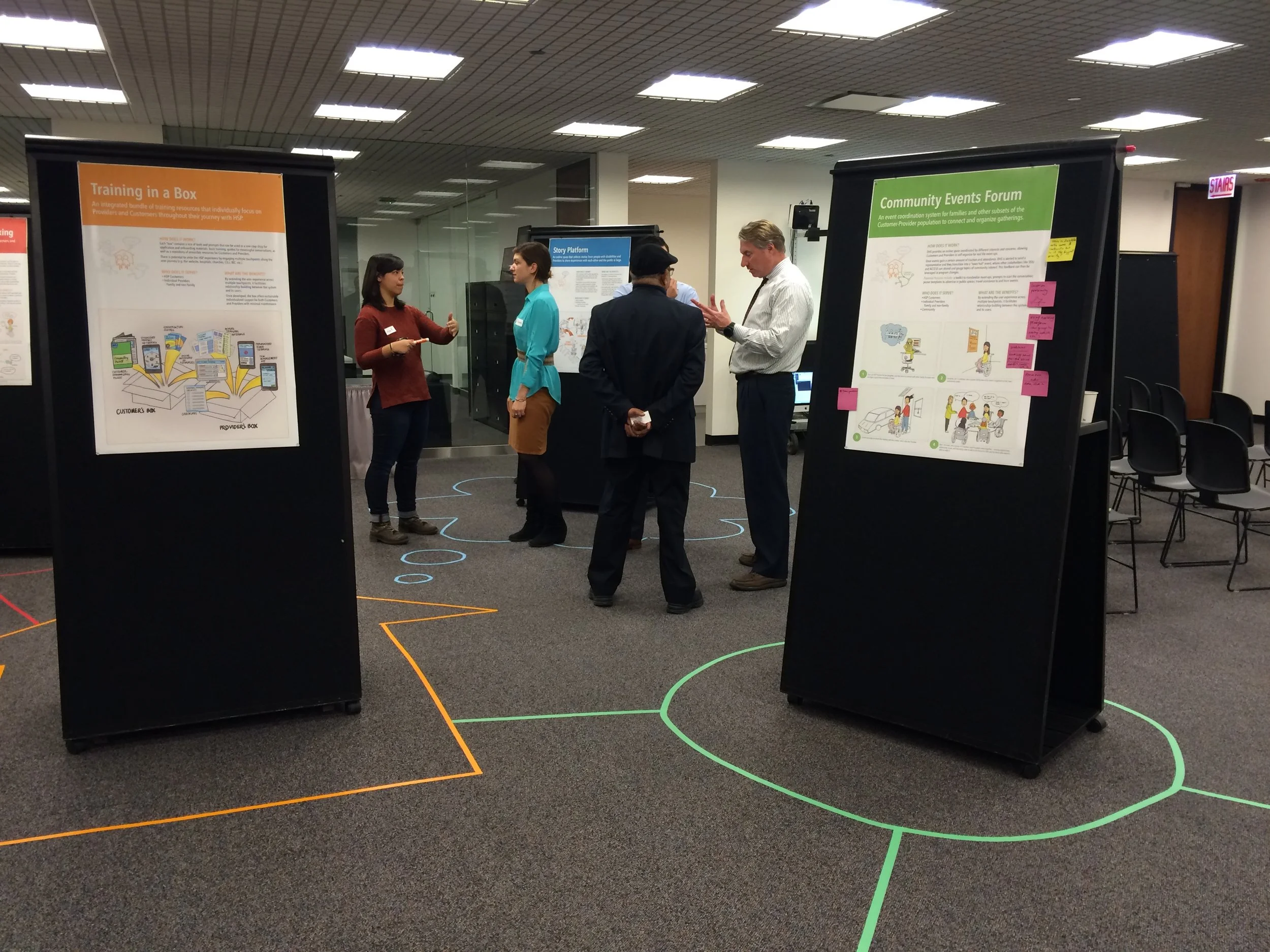
With research complete, we invited members of the community to hear our findings and join a co-creation workshop. Parties that normally sit on opposite sides of the table sat at the same one — and the differences of opinion that surfaced became material for the work. The conversations addressed trust, relationship building, and implementation as we designed alternative solutions together.

System Designs
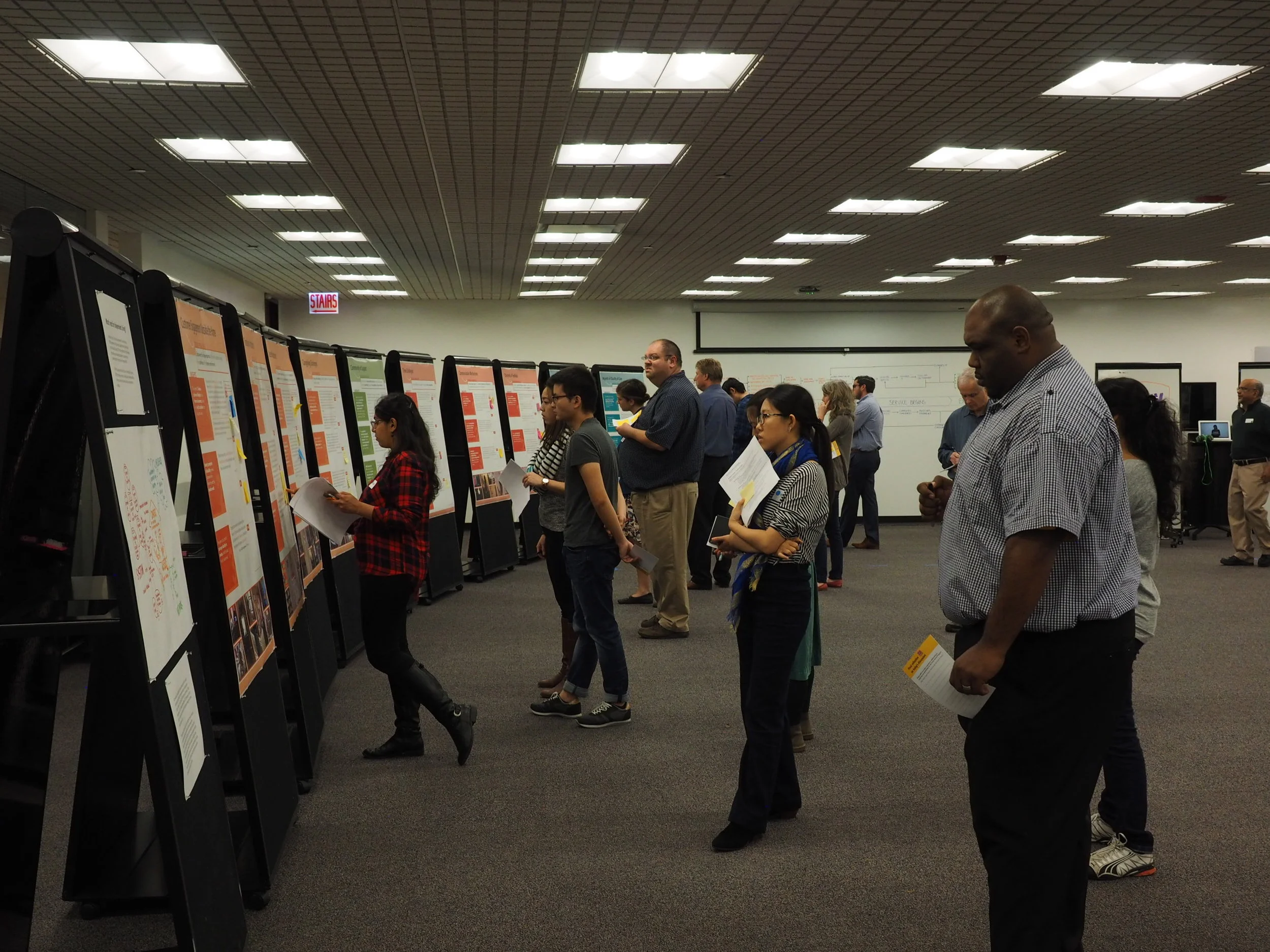
We evaluated the co-created concepts against desirability, viability, and feasibility while working out the details to build them out. The final designs were shared with stakeholders through the current customer journey, system-level mapping, and a roadmap to implementation.
View the design concepts (PDF) →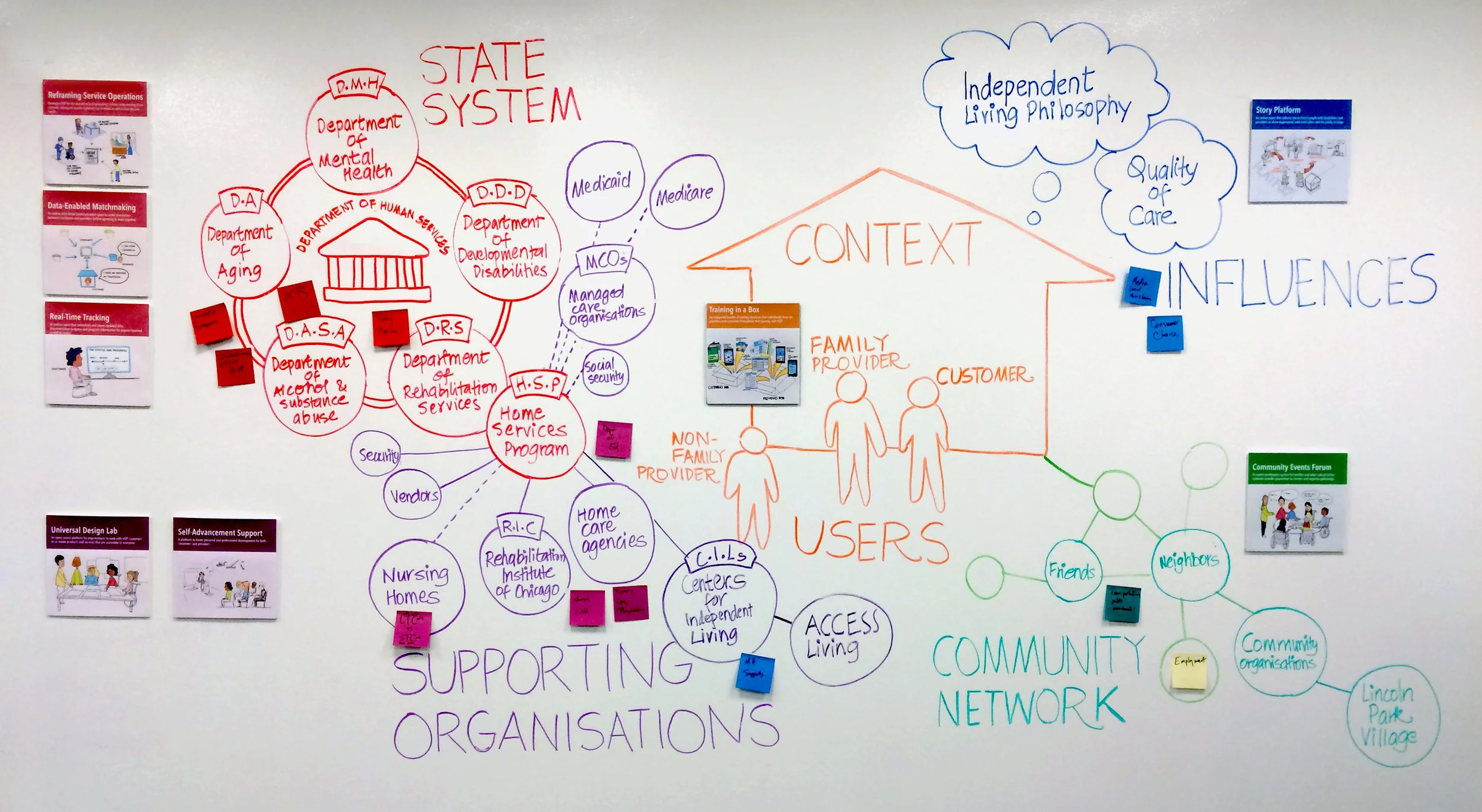

From concepts to contract
When this phase of work was complete, our concepts were handed off to another design team, contracted by DHS to prototype and build the most desired and implementable ideas into the live system. The work moved beyond the workshop room — carrying forward a customer journey, system map, and implementation roadmap co-created by the very people the program serves.